🍷 Wine basics
Why a wine's price doesn't tell the whole story
An expensive wine isn't necessarily a wine you'll enjoy. What price actually measures, and what it doesn't measure at all.
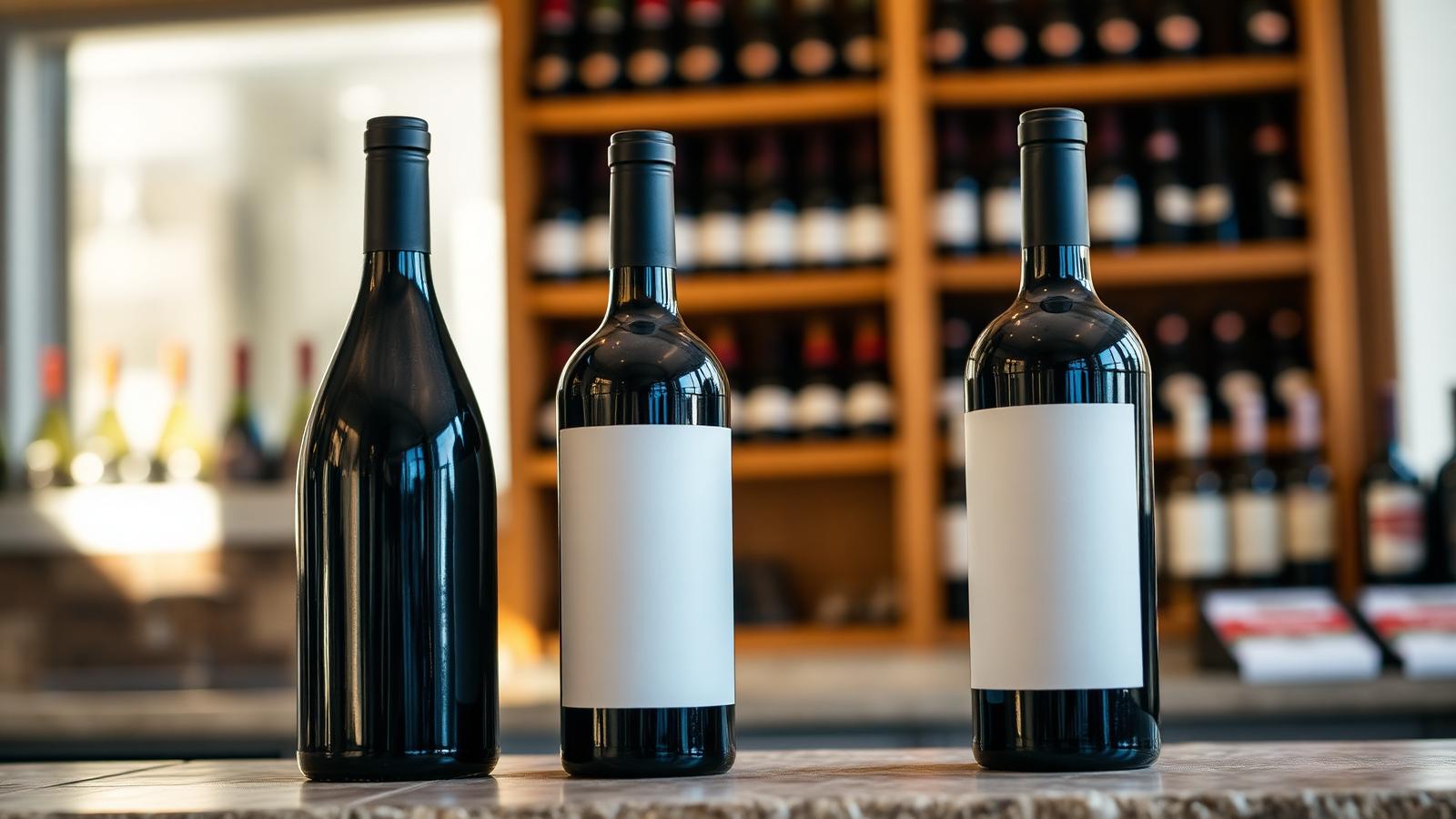
A dinner, two open bottles. One costs fifteen euros, the other sixty. Almost everyone around the table prefers the first one, slightly embarrassed to admit it. This happens far more often than people think.
Price feels reassuring, because it looks like an objective marker. But it measures a lot of things, and the pleasure you're going to feel isn't one of them.
What a bottle actually pays for
When you buy a wine, you're funding a long list of things, many of which have nothing to do with taste.
- Yields. A grower who deliberately limits production concentrates the fruit, but also spreads costs over far fewer bottles.
- Work in the vineyard. Hand harvesting, steep terraces, organic farming: all of it costs hours of labour.
- Ageing. A new barrel represents several euros per bottle, and tying up stock for two or three years has a real financial cost.
- Land. A hectare of vines can be worth twenty thousand euros in a quiet region and several million in a famous appellation. That gap lands entirely in the price.
- Scarcity and demand. A few thousand bottles for a global market, and the price takes off without the contents changing.
- Distribution. Shipping, margins, restaurant lists. The same wine can cost three times more depending on where you drink it.
None of these factors is illegitimate. But none of them guarantees the wine will match what you like.
Where price really does matter
It would be wrong to say price is meaningless. At the lower end, it plays a clear role.
Between a four euro bottle and a twelve euro one, the difference is usually very visible: less correction in the cellar, better fruit, more precision. That's the segment where a few extra euros change the most.
Between twelve and thirty euros, you're mostly paying for a style, a signature, an appellation. Technical quality is already good, and the difference becomes a matter of taste.
Above that, you enter the territory of scarcity, prestige and long ageing. A grand cru is often a beautiful wine, but it's also built to evolve over ten or twenty years. Opened too young, without the right food, it can feel austere, tannic and closed, and give less immediate pleasure than a bottle costing three times less.
Why a cheaper bottle can please you more
This is the interesting part, and it isn't counter intuitive once you think it through.
Affordable wines are usually made to be drunk right away. Accessible fruit, supple tannins, little oak. Exactly the characteristics most people enjoy over a normal meal, with no decanting and no waiting.
Great bottles, by contrast, are often built for the long run. Their structure serves an evolution that an unplanned dinner never reveals.
Add to that how heavily context shapes perception. A simple bottle drunk outside in summer, with the right people, leaves a lasting mark. A prestigious bottle drunk at the end of a meal, after three other wines, sometimes leaves a vague memory. That isn't bad faith, it's how taste normally works.
The best wine is the one that fits you
That shift changes the way you buy completely. The question is no longer "what's the best wine in this budget?" but "which wine resembles the ones I've enjoyed?".
In practice, it means knowing two or three styles that work for you, being able to describe them plainly to a merchant, and accepting that a highly rated wine may simply not be for you. It's also the best way to spend less, because you stop buying bottles out of caution or reputation.
Finding the bottles you genuinely liked
For this approach to work, you need one thing: memory. Not of prices, but of the bottles you enjoyed, and why.
That's what veeni is for. Scan the label of a wine that stood out, add a line about the moment, then browse your history by style, region or memory. After a few months, you'll often notice that your favourite bottles aren't the most expensive ones, and you'll know exactly where to buy them again.
To sum up
A wine's price tells a story about scarcity, labour and reputation, not about your pleasure. A modest bottle can mark you more than a grand cru opened at the wrong time. The only reliable compass is the memory of what you actually enjoyed.
FAQ
Can a five euro wine be good?+
It can be enjoyable, especially from less famous regions where land is affordable. At that price point, though, consistency is less predictable.
Why does the same wine cost three times more at a restaurant?+
The price covers service, glassware, storage, the wine list and the venue's margin. It's normal practice, even if it makes direct comparison misleading.
Should I trust critics' scores?+
They're useful about technical quality and ageing potential. They don't predict whether the style will suit you, which only your own history can do.
How do I buy well on a small budget?+
Look at lesser known appellations and regions next door to famous ones. Pleasure per euro is often far better there, and a good merchant will happily guide you.
Guides liés
🍷 Wine basics
How to choose a wine that matches your taste
Stop looking for the best wine and start understanding what you actually enjoy. A simple, jargon free way to choose with confidence.
4 min
🍷 Wine basics
What wine goes with sushi?
Whites, rosés, reds: what really works with sushi, what to avoid, and why.
4 min
🍷 Wine basics
How to find a wine you loved (and never lose it again)
A simple habit, done in the moment, so you never lose track of a bottle you enjoyed.
3 min