🍷 Wine basics
Organic, biodynamic, natural: I tasted 5 wines, here are my notes
What the logos on the label really say, and what I thought of each wine, glass in hand.
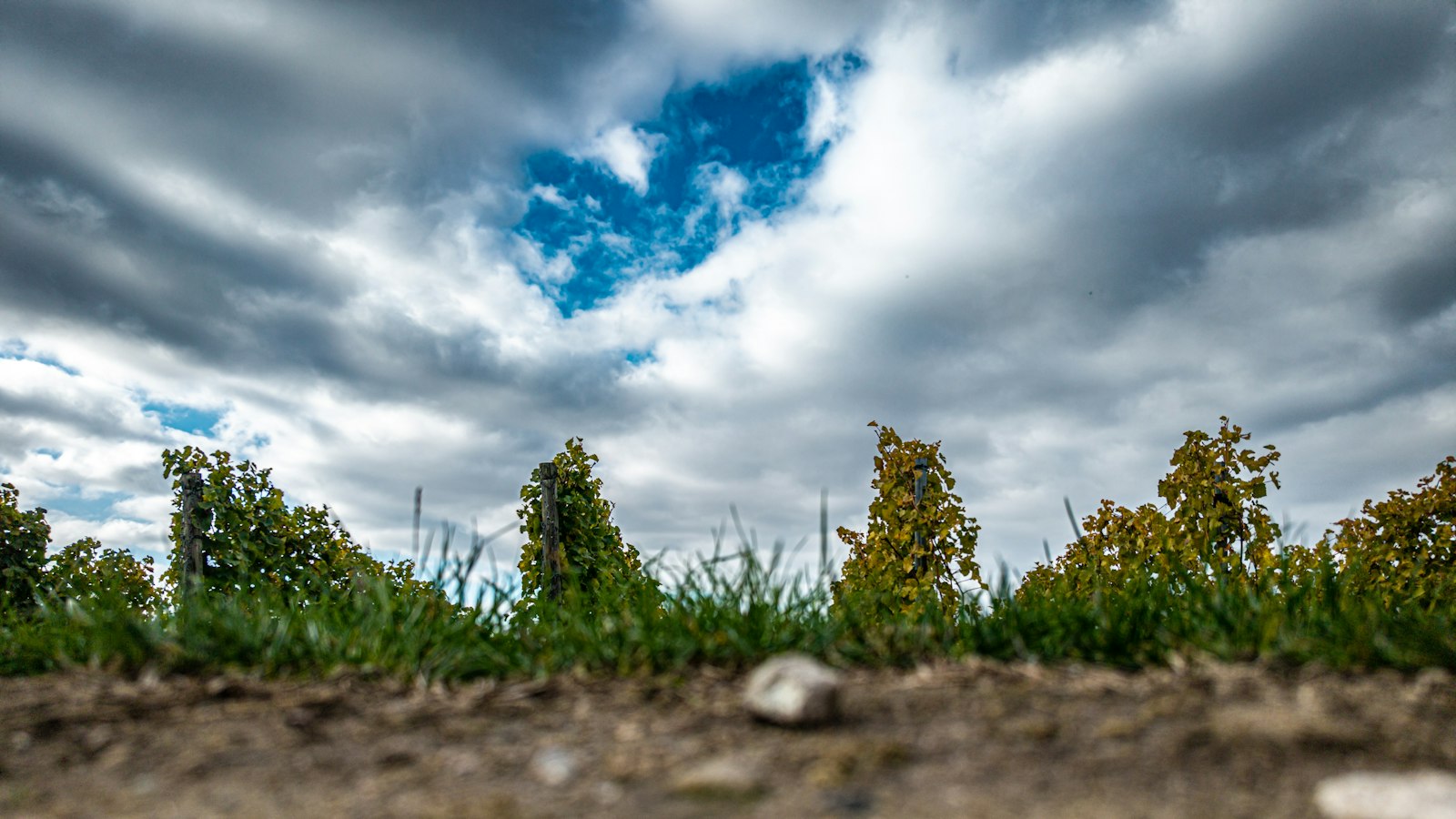
On 6 November, I took a wine course at my wine merchant's, on so called "atypical" wines.
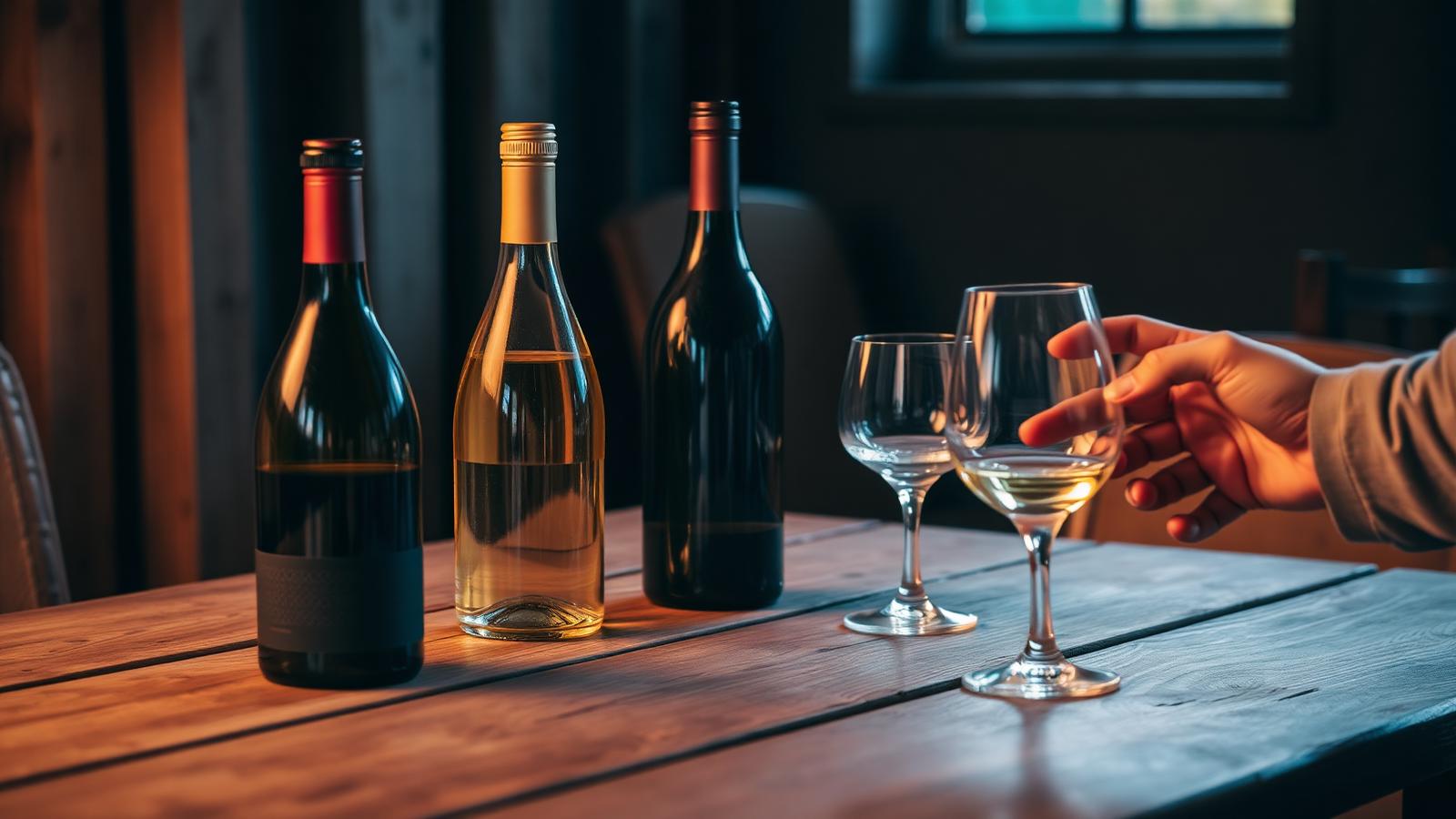
Five bottles: organic wines, a biodynamic wine, a natural wine.
I rated each one in veeni, on the spot, before knowing what the others thought of it.
Organic: what the logo says
The European green leaf guarantees grapes grown without pesticides or synthetic fertilisers.
It doesn't mean "sulphite free". An organic red can contain up to 100 mg per litre, against 150 for a conventional red.
Biodynamic: the manure in the horn
Biodynamics starts from organic and adds preparations.
The best known: cow manure packed into a horn, buried all winter, then diluted in water and sprayed on the soil in spring. It goes into the soil, never into the wine.
The Demeter label is stricter than organic on sulphites: 70 mg per litre at most for a red.
Natural: a word with no rules
"Natural" is not a protected word. Anyone can write it on a label.
The only landmark is the Vin Méthode Nature logo: organic grapes harvested by hand, native yeasts, nothing added, and 30 mg of sulphites per litre at most, or zero.
Of my five wines, only one carried it. Prima Nature, despite its name, is an organic wine with no added sulphites.
My five wines, my notes
Rated out of 4 stars in veeni, with the words I typed on the spot.
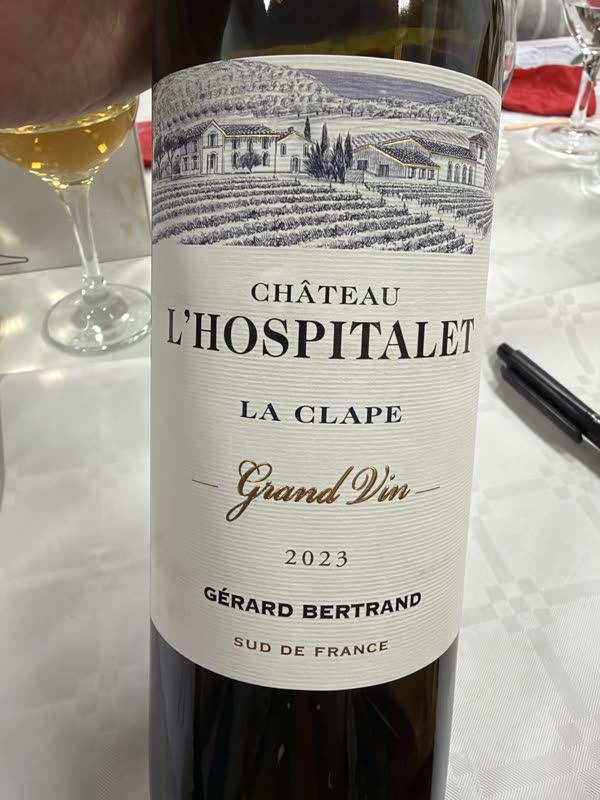
Château L'Hospitalet 2023, biodynamic.
★★★★
"Very nice, lovely length, lovely balance."
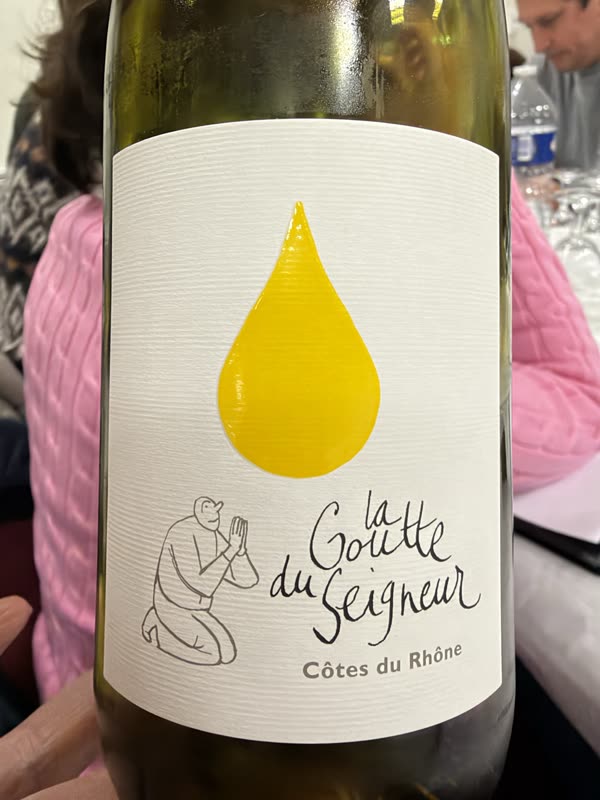
La Goutte du Seigneur 2025, organic.
★★★★
"Very fruity, fairly dry. I like it a lot."
Orange Gold 2023, organic.
★☆☆☆
"Very strong smell but rather weak in the mouth."
Prima Nature Chardonnay 2025, organic, no added sulphites.
★☆☆☆
"Keeps a kind of bitterness in the mouth."
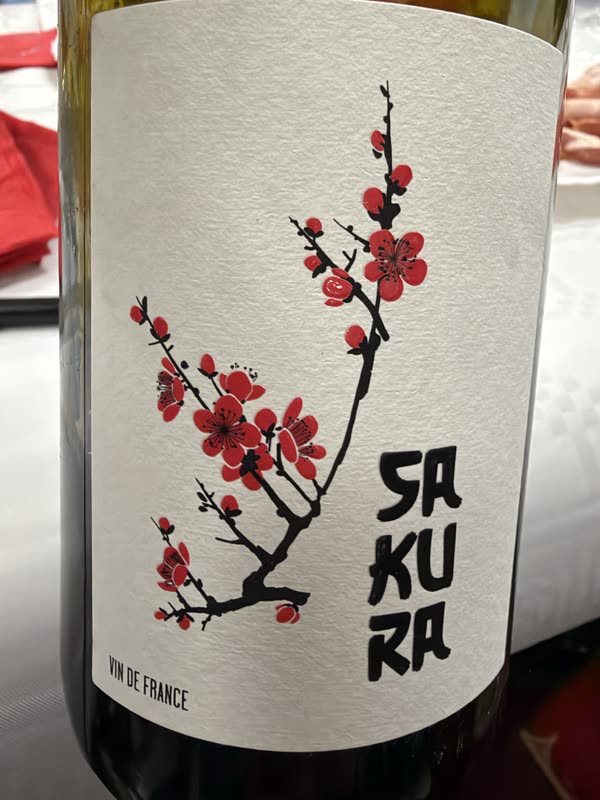
Sakura 2023, natural.
★☆☆☆
"Very acidic. Borderline vinegary."
What I take away
| Family | Wines tasted | Max sulphites (red) | My ratings |
|---|---|---|---|
| Organic | 3 | 100 mg/L | 4, 1, 1 |
| Biodynamic | 1 | 70 mg/L | 4 |
| Natural | 1 | 30 mg/L | 1 |
My two favourites: an organic one, and the manure wine.
The two wines with no sulphites or almost none, Sakura and Prima Nature, didn't convince me.
It is only my palate, on one evening. But the logo doesn't tell you the taste: only the glass does.
How I rate my wines
In veeni, I scan the label, then I rate: the aromas, the mouth, the length, from 1 to 4 stars, and a few words. The day I come across a bottle again, I know right away whether I'd drink it again.
In short
Organic, biodynamic and natural don't speak about taste, but about how the wine is grown and made. That evening, my two favourites were an organic and a biodynamic wine, and the natural wine didn't convince me. Your palate may say something else: the only way to know is to taste and take notes.
FAQ
Does an organic wine contain sulphites?+
Yes, often. Organic limits them (100 mg per litre for a red) without banning them.
Is there manure in a biodynamic wine?+
No. The horn manure feeds the soil of the vineyard. None of it ends up in the bottle.
How do you recognise a real natural wine?+
Look for the Vin Méthode Nature logo. The word "natural" alone guarantees nothing.
Guides liés
🍷 Wine basics
How to choose a wine that matches your taste
I rated 69 wines in a year. What my notes taught me about my taste, and the simple method to find out yours.
4 min
🍷 Wine basics
How to find a wine you loved again
A simple habit, done in the moment, so you never lose track of a bottle you enjoyed.
3 min

🍷 Wine basics
What wine goes with sushi?
Two whites drunk with sushi, two very different ratings. What really works with a sushi platter, and what is better avoided.
3 min